EMDR Therapy in Enfield Town & Online
Heal from the past and regain control of your present.
When we experience a traumatic, highly stressful, or deeply distressing event, our brains can struggle to process the information normally. The memory can become "frozen" or trapped in its raw emotional state. Years later, a current event, sight, or sound can trigger that old memory, causing you to relive the original panic, anxiety, or emotional pain.
Eye Movement Desensitisation and Reprocessing (EMDR) is an evidence-based, highly effective psychological treatment designed to unblock these trapped memories so your brain can finally heal.
[ Book an Initial EMDR Consultation ]
How Does EMDR Work?
Unlike traditional talking therapies that focus primarily on verbalizing your problems, EMDR works directly with how your brain stores traumatic memories.
During an EMDR session, I will guide you to focus briefly on a distressing memory or physical sensation while simultaneously introducing bilateral stimulation (typically side-by-side eye movements, alternating sounds, or gentle hand taps).
This dual attention stimulates your brain's natural information processing system—similar to what happens naturally during REM (Rapid Eye Movement) sleep. This process:
Desensitises the memory: The emotional distress attached to the memory rapidly decreases.
Reprocesses the belief: It allows you to re-frame the event, shifting from a painful belief (e.g., "I am unsafe") to a healthier, more grounded resolution (e.g., "It is over now, and I am safe").
The memory remains, but it loses its painful, overwhelming emotional charge.
What Can EMDR Help With?
As a member of the EMDR Association UK, I use standard and advanced EMDR protocols to help clients navigate a wide range of difficulties, including:
Post-Traumatic Stress Disorder (PTSD) from single incidents (e.g., car accidents, assaults, medical trauma).
Complex Trauma (C-PTSD) from ongoing childhood adversity, emotional abuse, or relational neglect.
Severe Anxiety and Panic Attacks that feel impossible to control using logic alone.
Phobias and Performance Anxiety rooted in past failures or embarrassing experiences.
Complicated Grief where a loss feels too heavy or painful to move through.
In-Person vs. Online EMDR: What to Expect
Many clients wonder if EMDR can be delivered effectively outside a physical therapy room. The clinical evidence shows that online EMDR is just as safe and effective as face-to-face treatment. I offer both pathways tailored to your preference:
In-Person (Enfield Town, EN2)
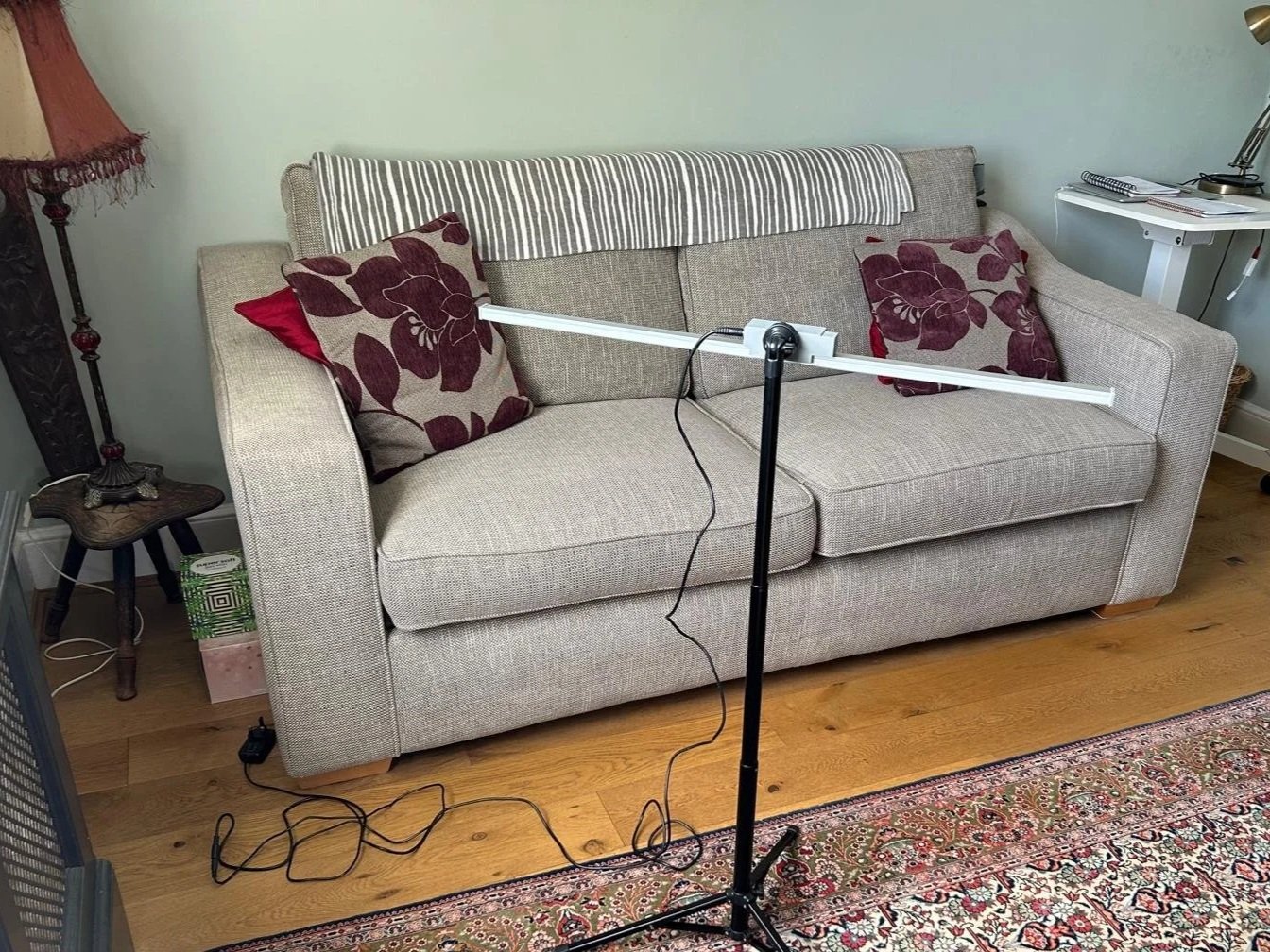
Sessions take place in my quiet, comfortable consulting space. We will use visual light-bars, hand-held tappers, or natural physical tracking depending on what feels most grounding for you.
Online (UK-Wide via Secure Video)
We use a fully encrypted secure online platform, allowing you to complete your trauma processing safely from the privacy of your own home.
Your Safety is the Priority
EMDR is not a "quick fix" that rushes you into your most painful memories. We will invest time in the early phases of treatment building your resilience and coping resources.
We will establish psychological "anchors"—such as the Safe/Calm Place technique—to ensure that you feel completely stable, grounded, and in control before any active trauma processing begins.
Take the First Step Toward Relief
If you are ready to stop letting past experiences dictate your present peace of mind, let's talk. I offer a free, informal phone or video consultation to discuss whether EMDR is the right approach for your specific goals.
Preparing for Your Online EMDR Session
A Quick Guide to Creating a Safe, Stable, and Confidential Space at Home
Online EMDR is highly effective and safe, but because you are not in my physical Enfield Town consulting room, we must work together to set up your environment. Please review this checklist before our scheduled processing sessions to ensure your technology and surroundings are fully optimized.
1. Technology & Device Setup
Use a Laptop or Desktop Computer: Please do not use a smartphone or small tablet for active processing. EMDR relies on horizontal eye movements; a larger computer monitor or laptop screen is essential so your eyes can trace the bilateral movements wide enough across the screen.
Keep Your Screen at Eye Level: Position your computer so your webcam is directly at eye level. I need to clearly observe your eye tracking and facial expressions throughout the session.
Stable Internet Connection: Ensure you are close to your Wi-Fi router, or disconnect other high-bandwidth devices in your home during our session to prevent video lagging.
Close Other Apps: Close all other tabs, email clients, and notification pop-ups on your computer so your processing isn't interrupted.
2. Privacy & Physical Comfort
A Dedicated, Private Room: Choose a room where you cannot be overheard, seen, or interrupted by family members, housemates, or colleagues. Lock the door if necessary.
Use Headphones: Wearing headphones (with a built-in microphone if possible) is highly recommended. It significantly enhances your audio privacy and ensures you can hear any alternating bilateral sounds or clicking indicators clearly.
Comfortable, Supportive Seating: Use a chair that allows you to sit upright but fully relaxed, with both feet flat on the floor to help you stay physically grounded.
Tissues and Water Nearby: Keep a glass of water and a box of tissues within arm's reach of your seat.
3. Emotional Grounding & Post-Session Integration
The "Stop" Signal: Remember, you are always in total control. Before we begin, we will establish a physical stop signal (such as raising your hand). If an emotion or memory ever feels too overwhelming, you raise your hand, and we will pause the bilateral stimulation instantly.
Transition Time: Do not schedule stressful meetings, long drives, or demanding tasks immediately after an EMDR session. Your brain will continue to process the information subtly for a few hours after we disconnect. Give yourself 15–30 minutes of quiet downtime right after the session to transition back into your day.
If you have any technical worries or questions about this setup ahead of our first processing slot, please let me know during our initial check-in and we can troubleshoot it together!